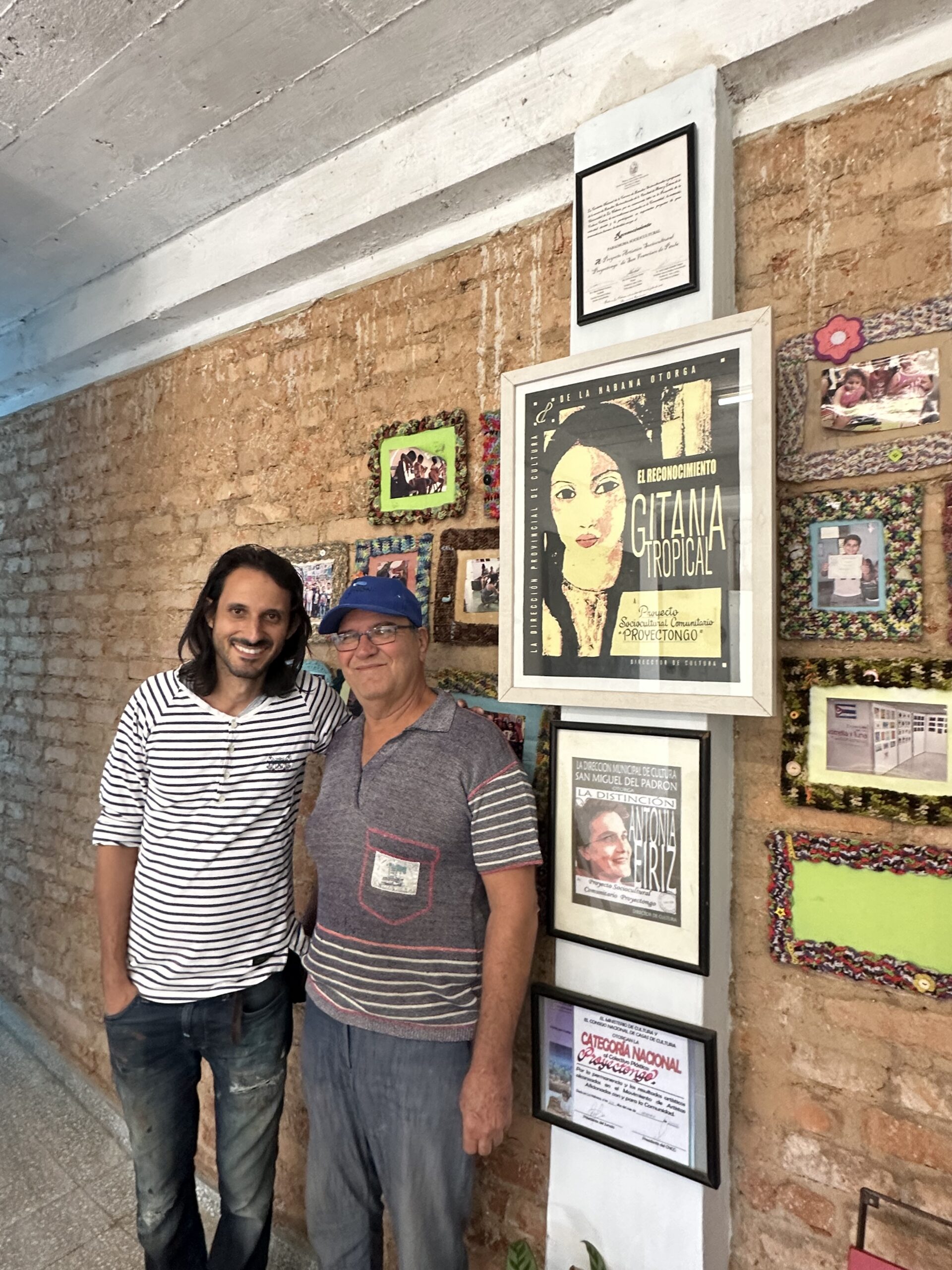
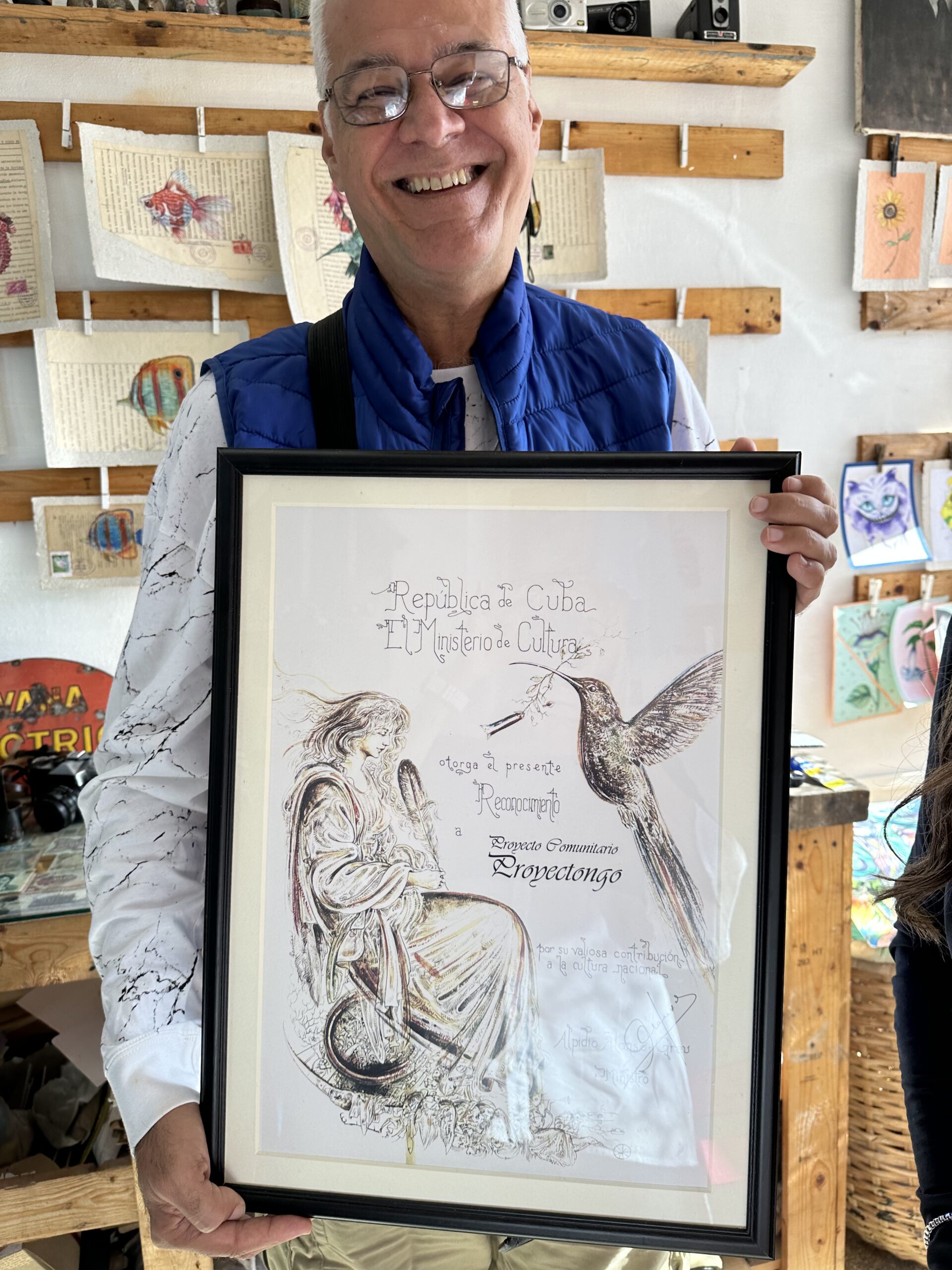
Proyectongo is difficult to capture in a single word—and perhaps that is the point. Its name loosely translates to something like “a massive project on wheels” or, more simply, “a project that never stops.”
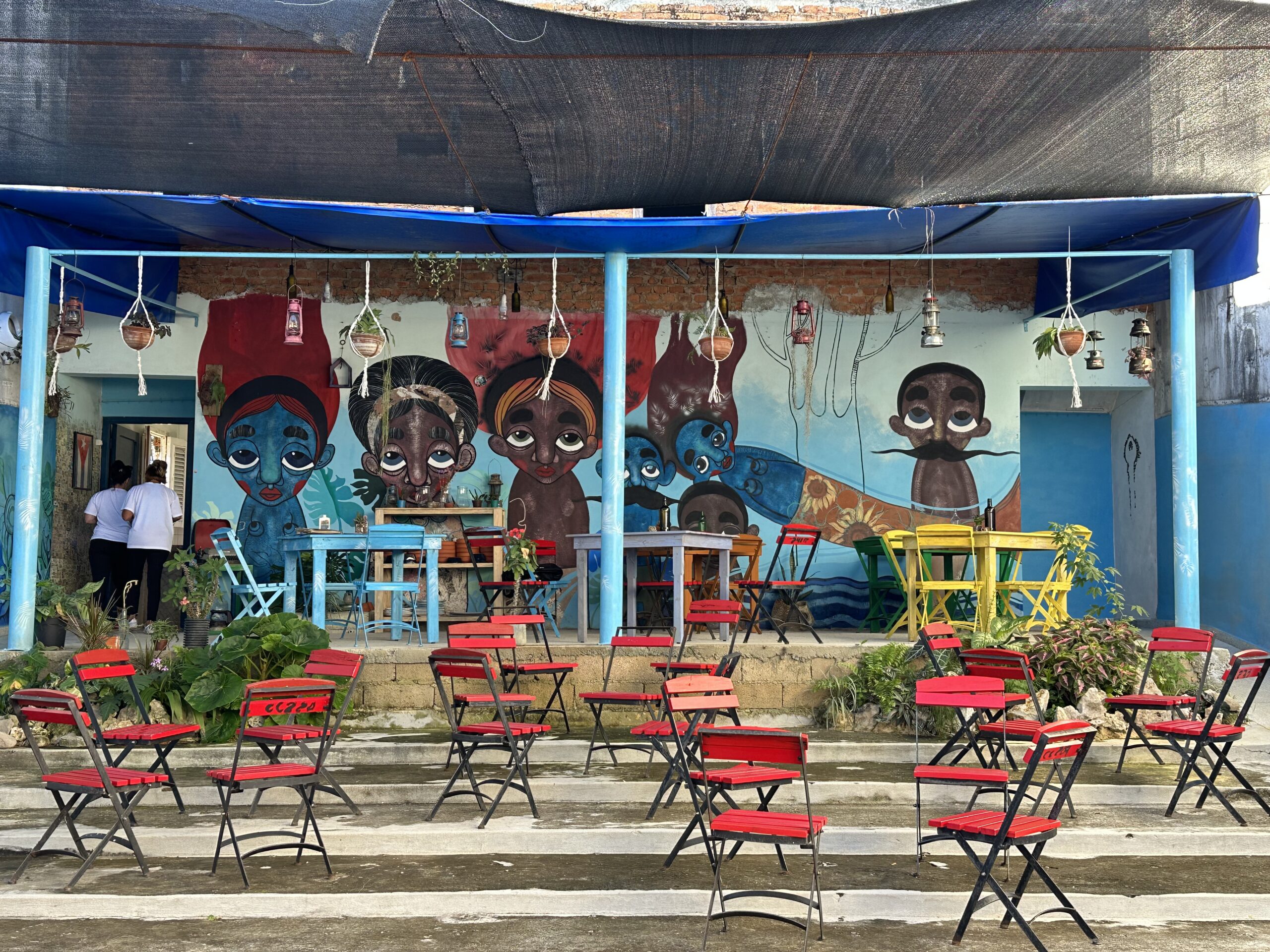
Founded thirteen years ago by Yoan, his wife and his father, Proyectongo has grown into a place where creativity becomes connection. Since inception, people of nearly every age can explore art, music, theater, traditional crafts, sports and other activities.
Programs begin with children around age six and continue all the way through adulthood and the senior years. Some groups, including one Yoan leads himself, deliberately bring different generations together.
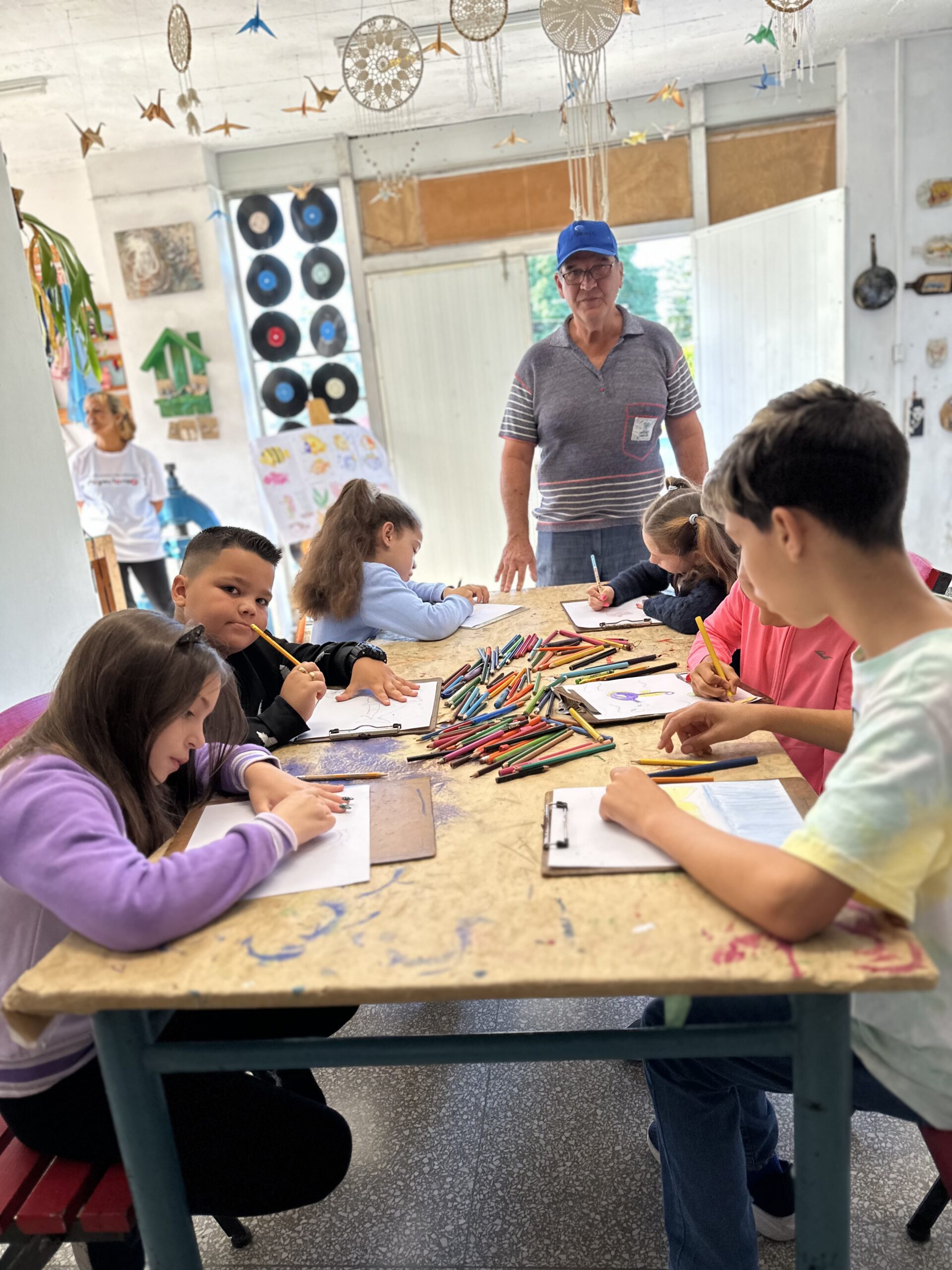
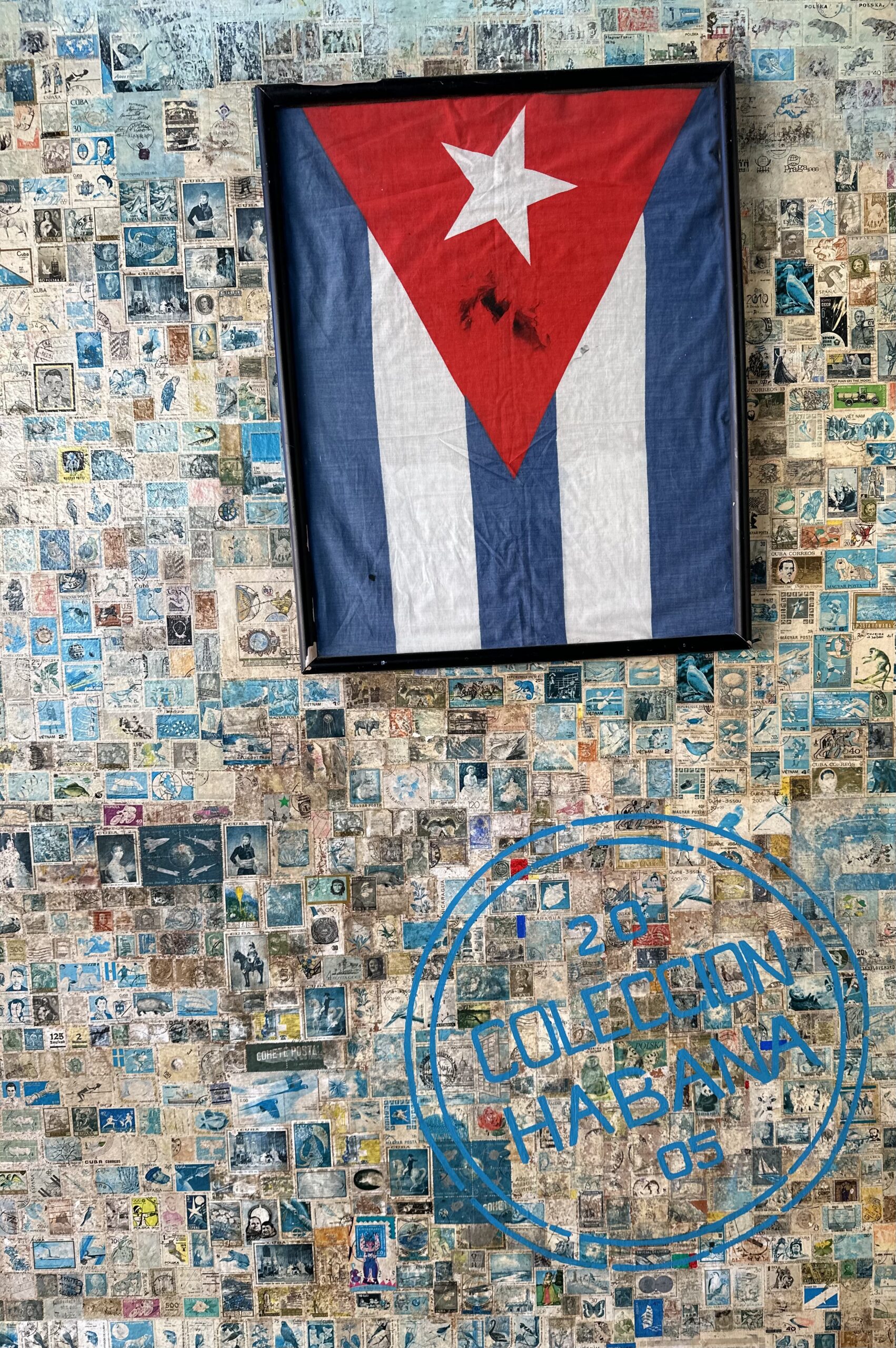
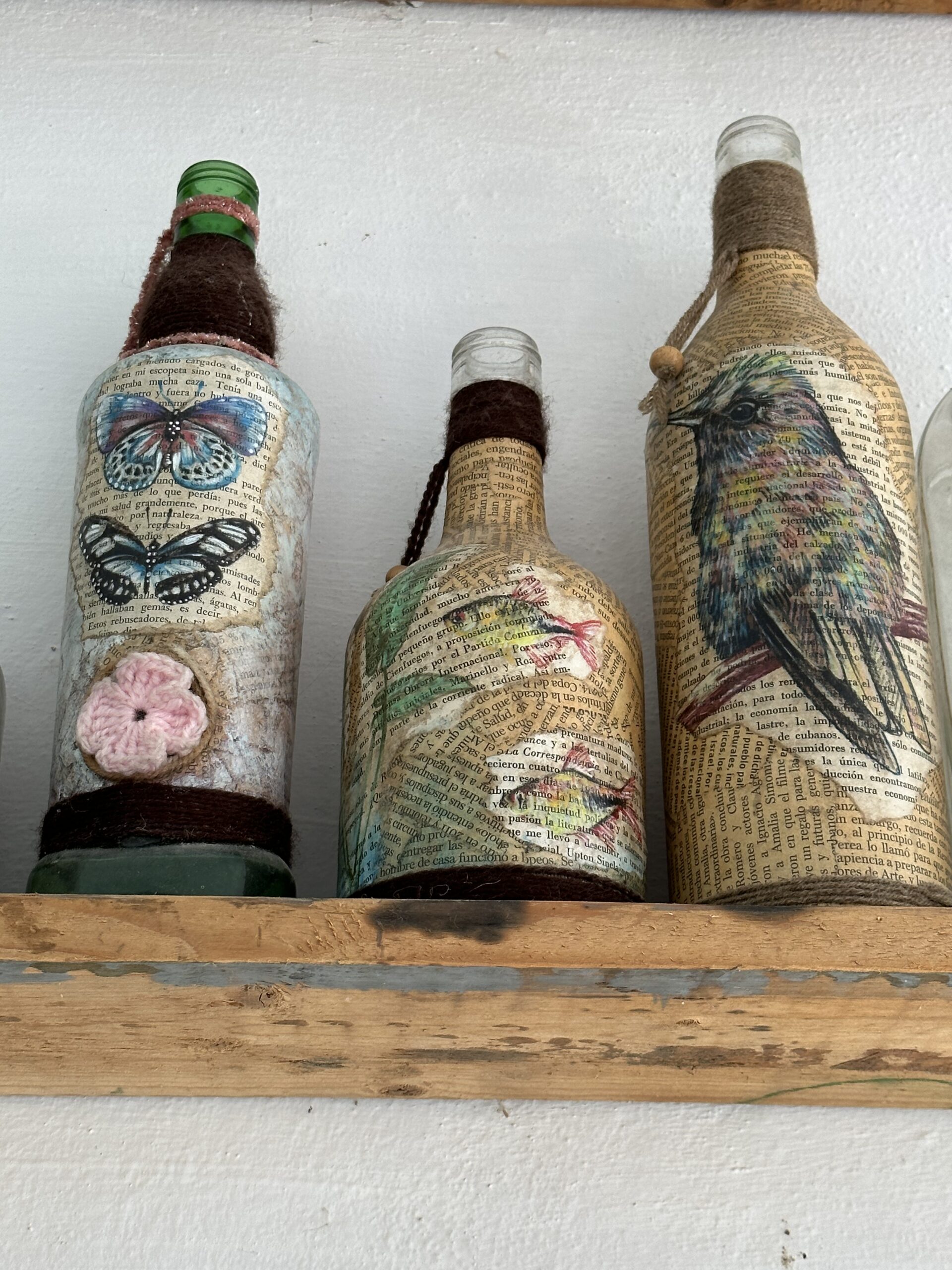
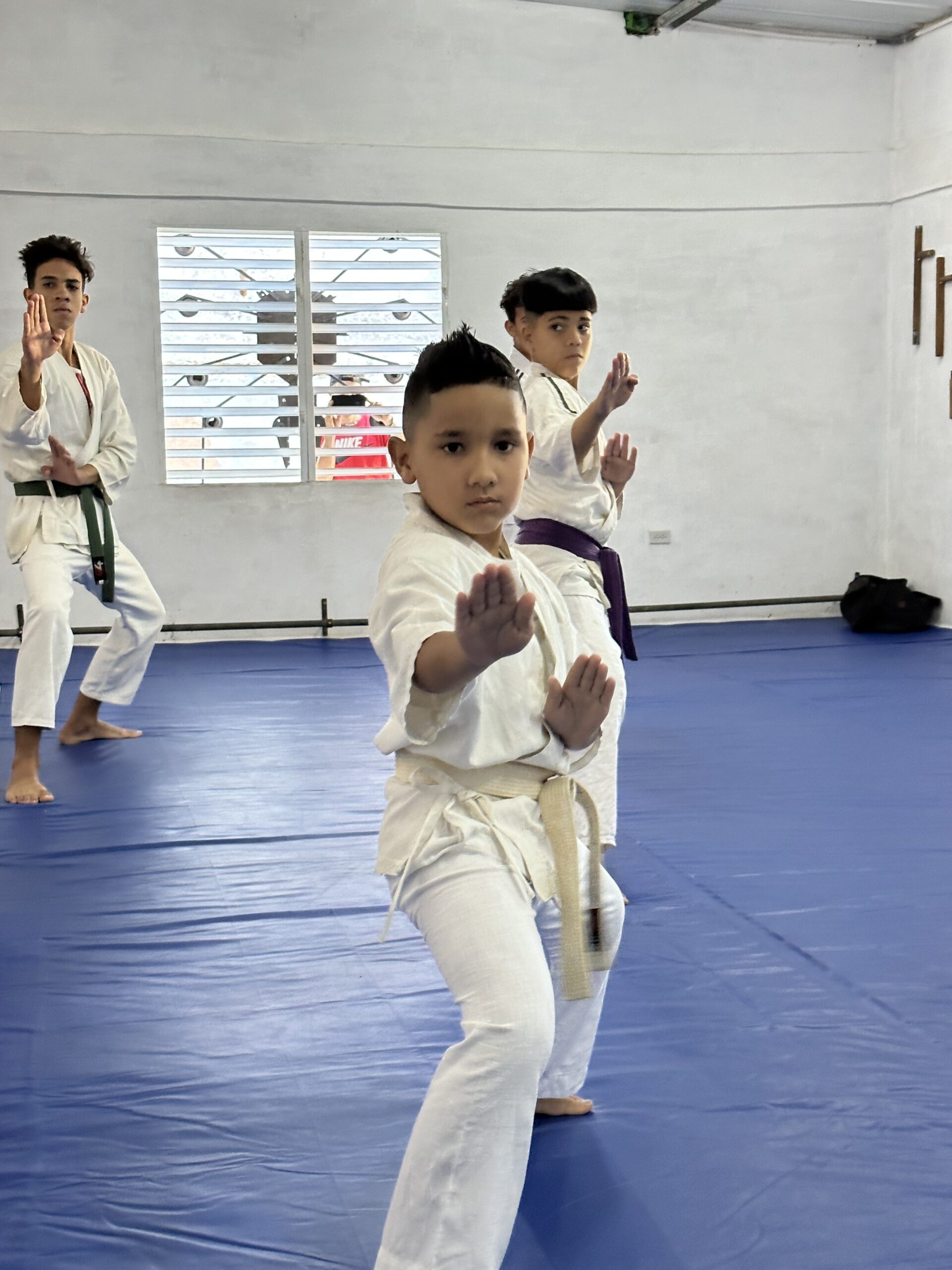
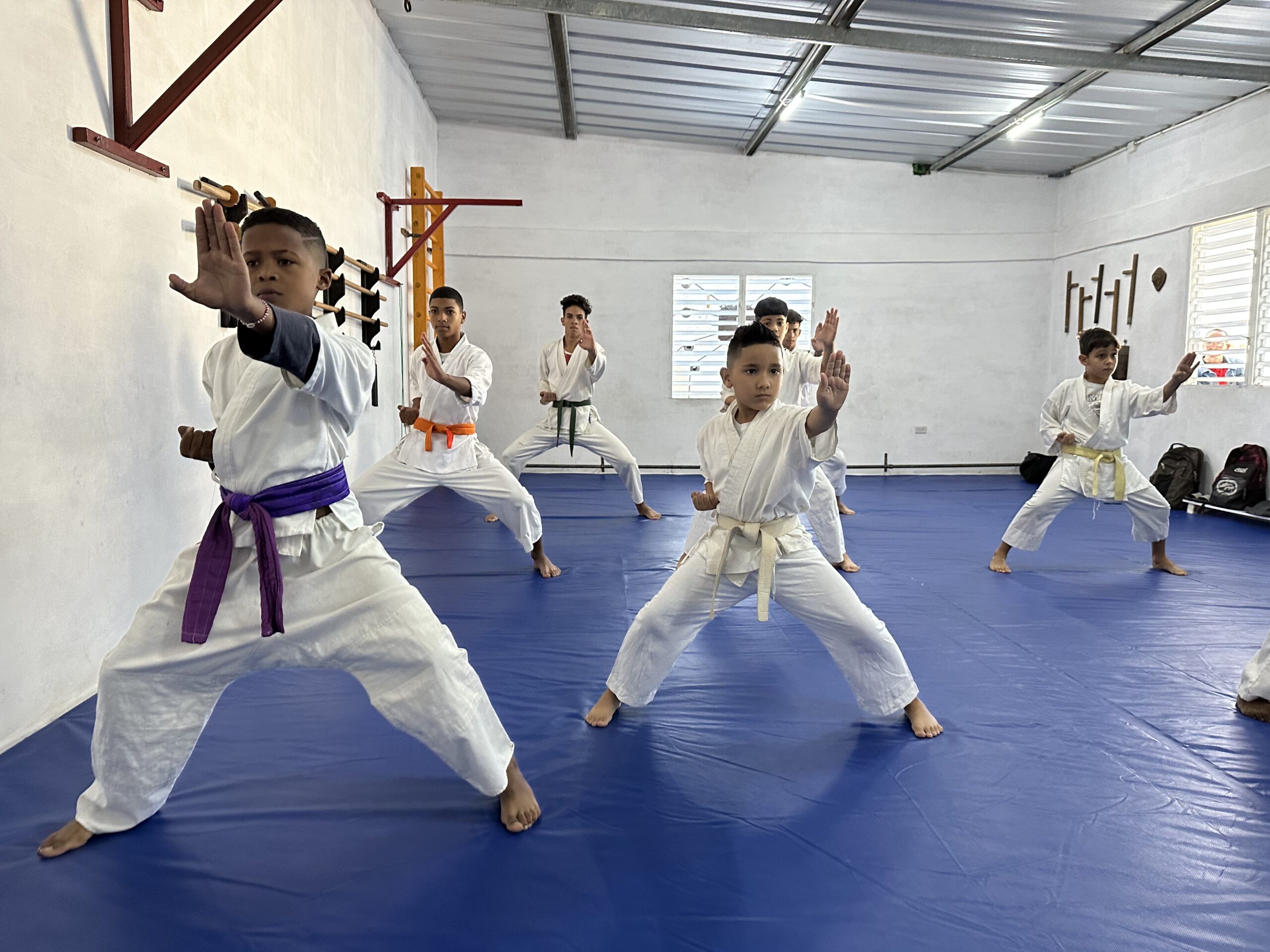
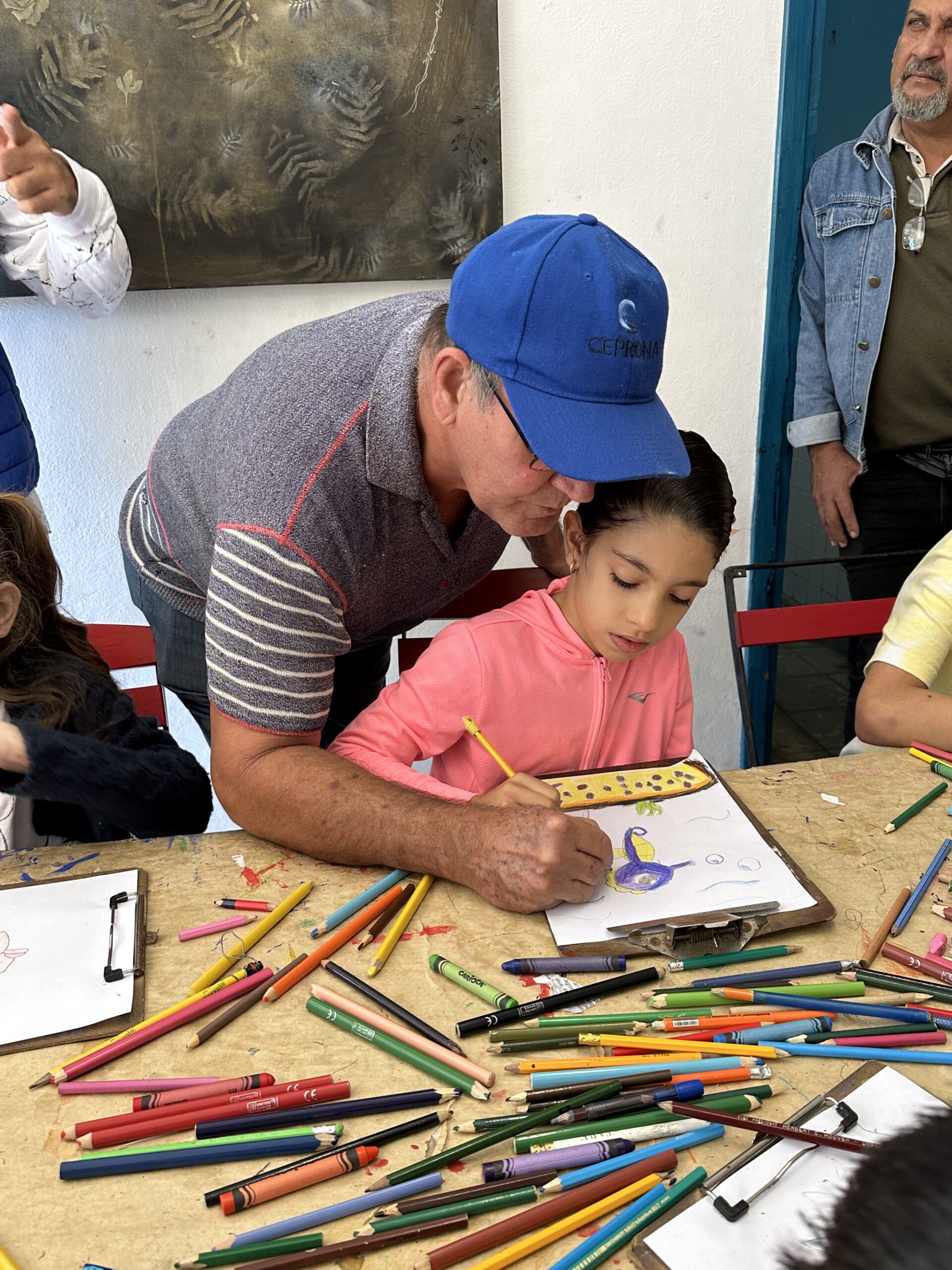
Participants can learn drawing, painting, sculpture, papermaking and printmaking. They can try embroidery and crochet, participate in theater and body-expression workshops, sing and learn about Cuban musical traditions such as trova and folklore, or develop concentration and strategy through chess. Martial arts classes provide not only exercise and self-defense skills, but also teach discipline, respect and cooperation.
Some programs intentionally bring generations together. Others give children access to experiences that are easy to take for granted elsewhere, including baseball.
Gigi’s Stars is a baseball team based at Finca Vigía, Ernest Hemingway’s former home and now the Hemingway Museum. The team is considered part of the museum’s heritage, and Proyectongo helps support its instructor. When we visited, Yoan told us that some of the children had never had the opportunity to play with a real baseball—a small detail, perhaps, but one that says a great deal about the challenges facing programs like this in Cuba today.
Perhaps one of the most remarkable things about all of this is that everything Proyectongo offers is free. Classes are free. Concerts and performances are free. Activities and programs are free. Everyone is welcome to participate, regardless of their ability to pay.
That would be an accomplishment under any circumstances. But in the midst of Cuba’s current economic crisis, it is extraordinary. Materials still need to be purchased. Instructors and other workers still need to be paid. Buildings and equipment must be maintained. Yet Proyectongo continues, as much as possible, to make its programs accessible without asking the people it serves to bear those costs.