This is a season of unthinkable endurance at an intensity most will never understand. While there’s incredible need and poverty in which the Cuban people appreciate every tangible gift, they really need to feel they have not been forgotten from the rest of the world. They need people willing to share their resolve and lend a little hope in the long dark, endless days of blackouts.
Havana's Outskirt Communities
Within the nation’s capital lies an eclectic patchwork of dilapidated neighborhoods with exquisite history and resilient people with a heart of gold. It’s here that gives “friends like family” meaning.
Amy Warren
Co Founder, Shared Resolve · July 2026
- The NEED
What was happening
When a million people live in a city that’s been halted of all basic services, it creates a crisis some have called “a silent Gaza”.
Why silent? Because the Cuban people are enduring a horrific situation with little media coverage, no intervention and that’s risky for them to speak out without consequences.
How does that manifest on an island blockaded from all fuel?
It means waste has piled up stories high because garbage trucks haven’t run for months.
Without fuel for the antiquated electric grid- blackouts are a constant way of life — often resulting in 3-5 days without electricity.
Without electricity the old water pump system is completely paused – which means long walks to find drinking water.
With a lack of running water and an excess of trash and dirt on the streets, mosquito born illnesses and other viruses increase rapidly. But seeking treatment at a hospital is useless because their machines can’t work without electricity – which means no surgeries and no medical supplies.
Lack of electricity also means food prep has now gone beyond scarce, it harkens back to caveman days where resourceful Cubans often need charcoal too cook on the sidewalks because gas stoves no longer run.
Inflation is 10x every few weeks, and even if food is sourced, it’s never practical to buy enough to last more than a day or two. Anything more than that will just spoil in a warm frig anyway.
Beyond all this hardship, there’s one even deeper tragedy — isolation. The Cuban people spend the majority of their days waiting… waiting for an unpredictable two-hour window when electricity returns to charge a phone, a battery, run a load of laundry, take a shower or cook a meal in the kitchen. Often the hour arrives at 2 or 3am. Sleep deprivation runs rampant for months on end without an ability of wifi/cell service to talk to loved ones who emigrated outside the country.
We’ve watched our highly educated, deeply resilient friends wander through this silent Gaza – and we want to do something to help.
- The Relationship
How we were connected
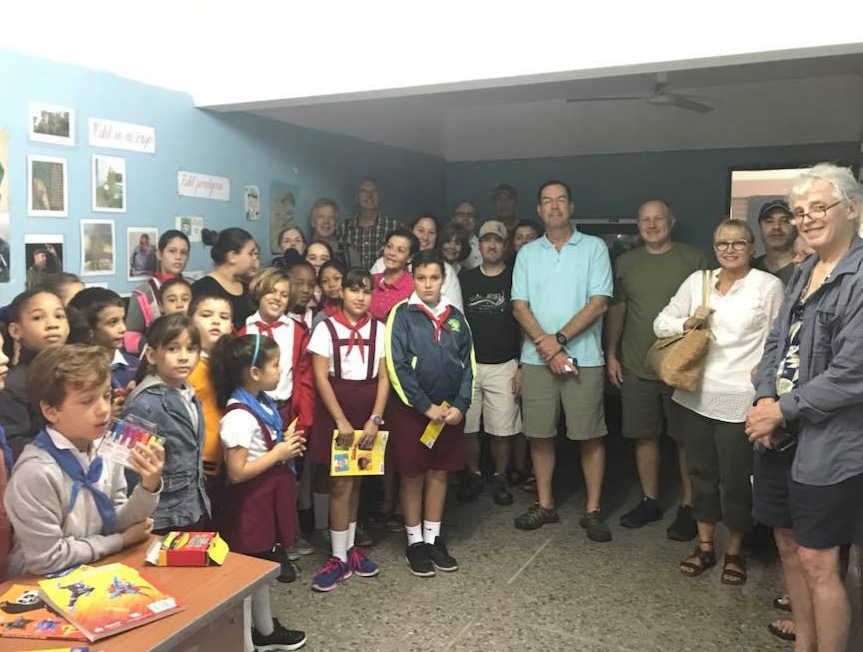
“A million thanks from my whole heart. WOW – thank you to all who have contributed to this. This noble group of Americans have created a collaboration and friendship group so that everyone who wants to meet and interact with Cuban citizens on foot and learn about our culture and idiosyncrasies can do so. On behalf of the Cuban people, thank you for all your help, but above all for your LOVE.”
~ Cuban Friends in Havana
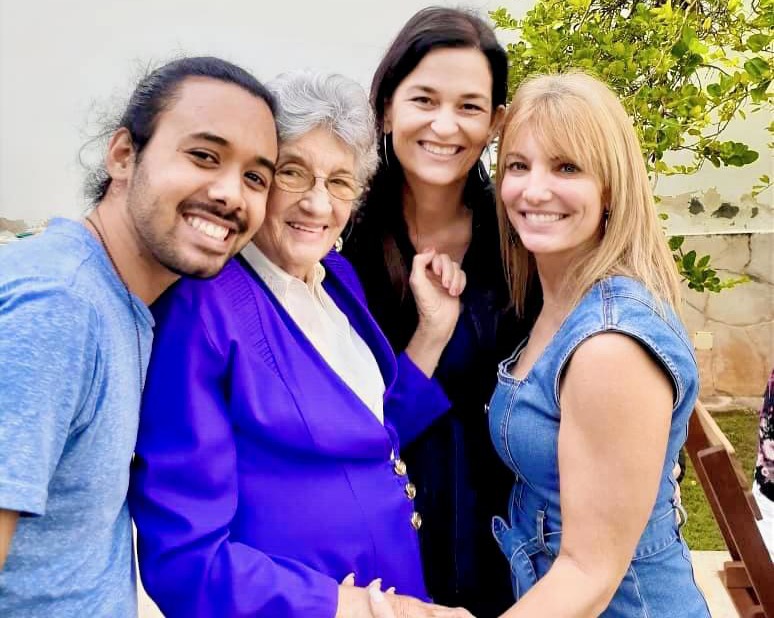
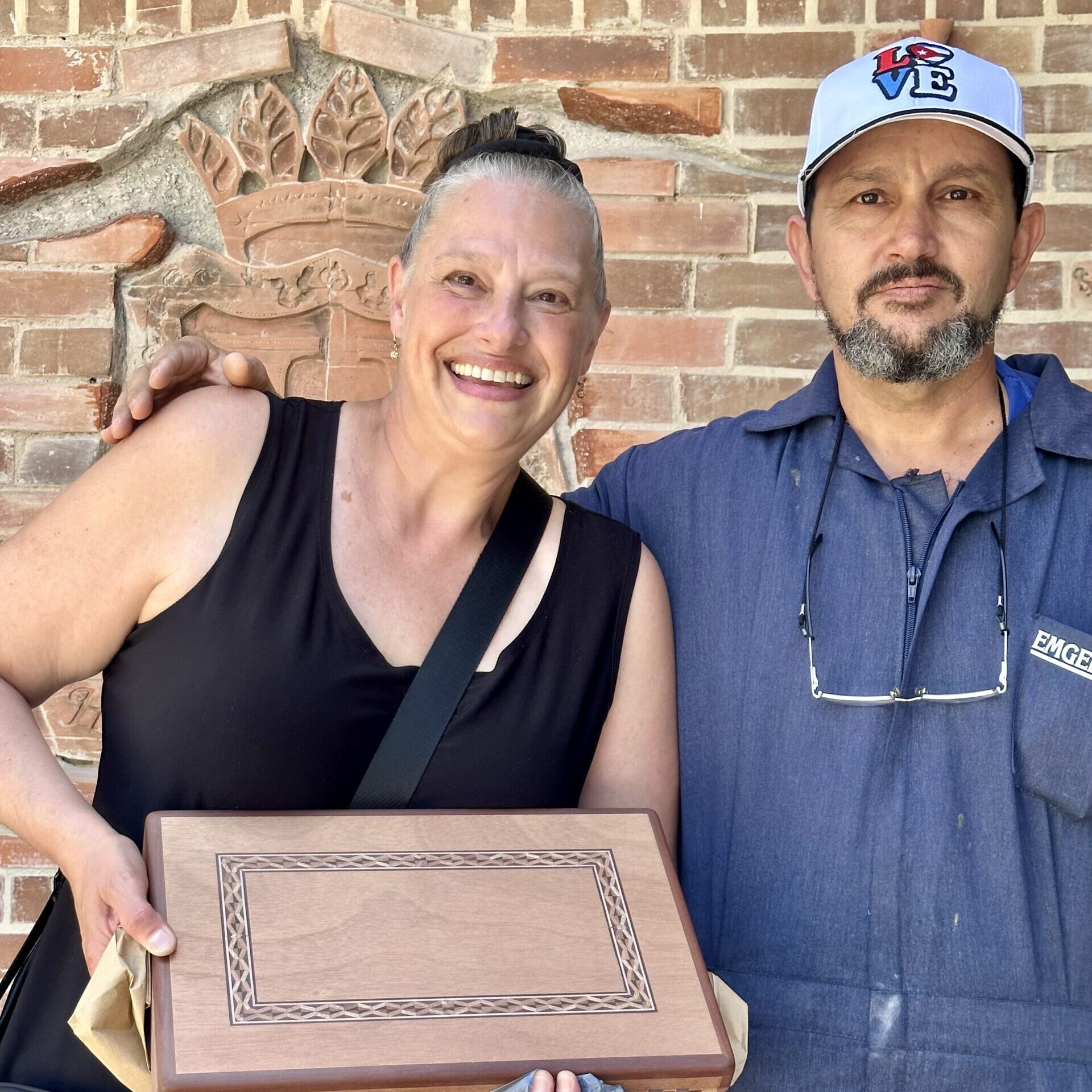
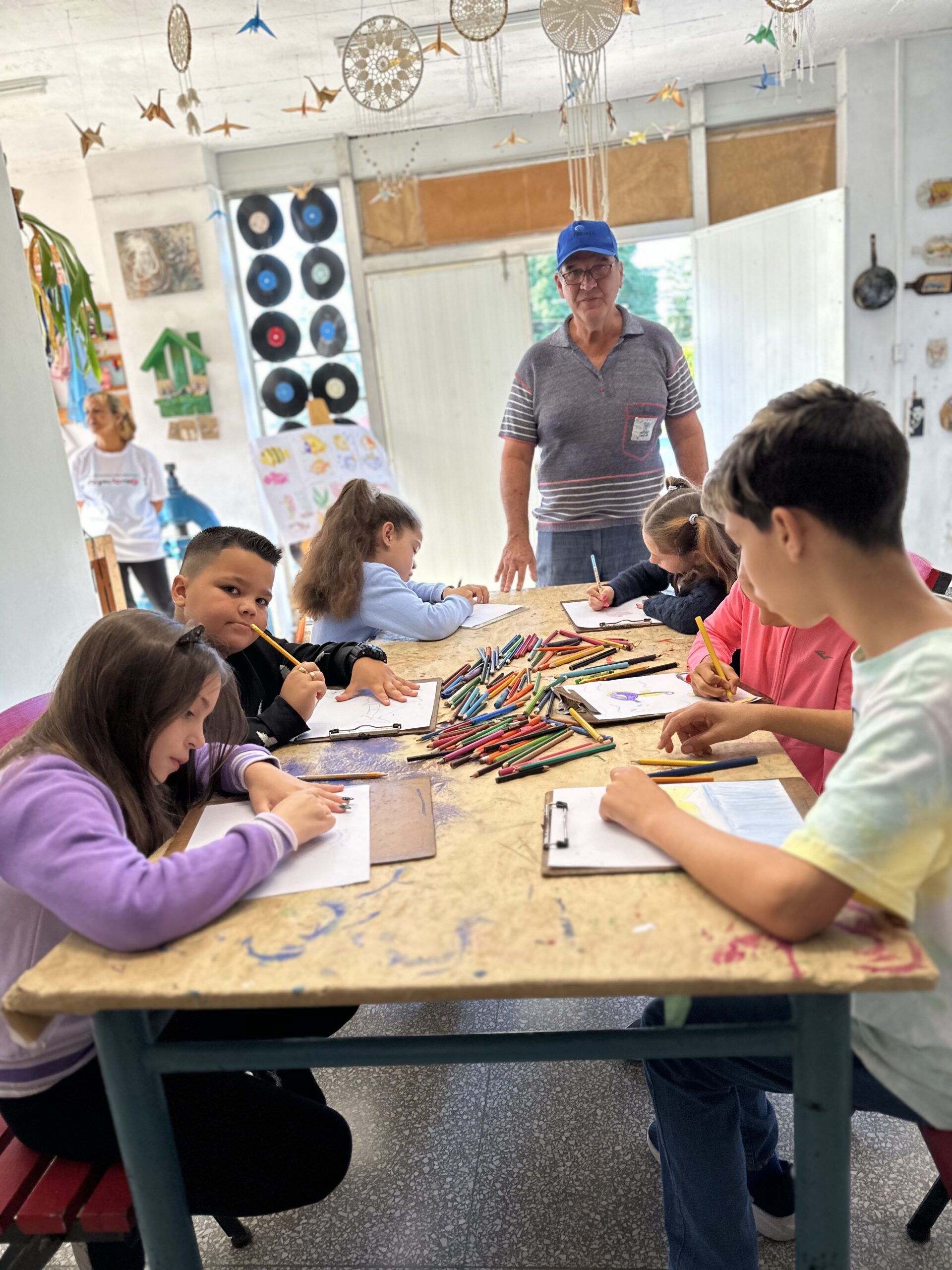
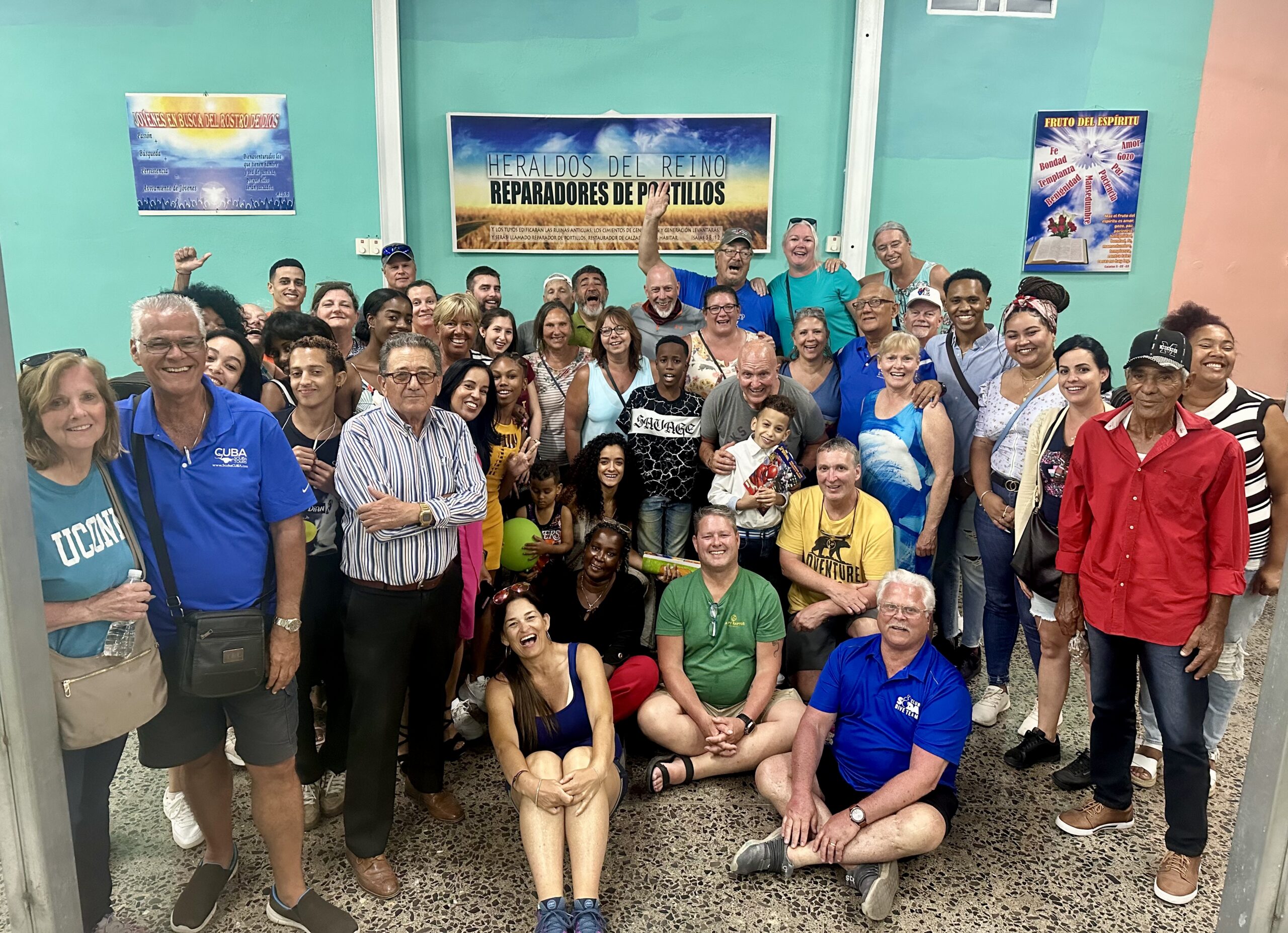
These are friends who built humanitarian environmental programs with us, introduced us to the arts, dance, music and rich history of the pearl of the Antilles. They are bus drivers, doctors, tour guides, pastors, grandparents and professionals who served alongside for more than a decade. And now they need our help.
- The Response
What donors, volunteers, and partners did
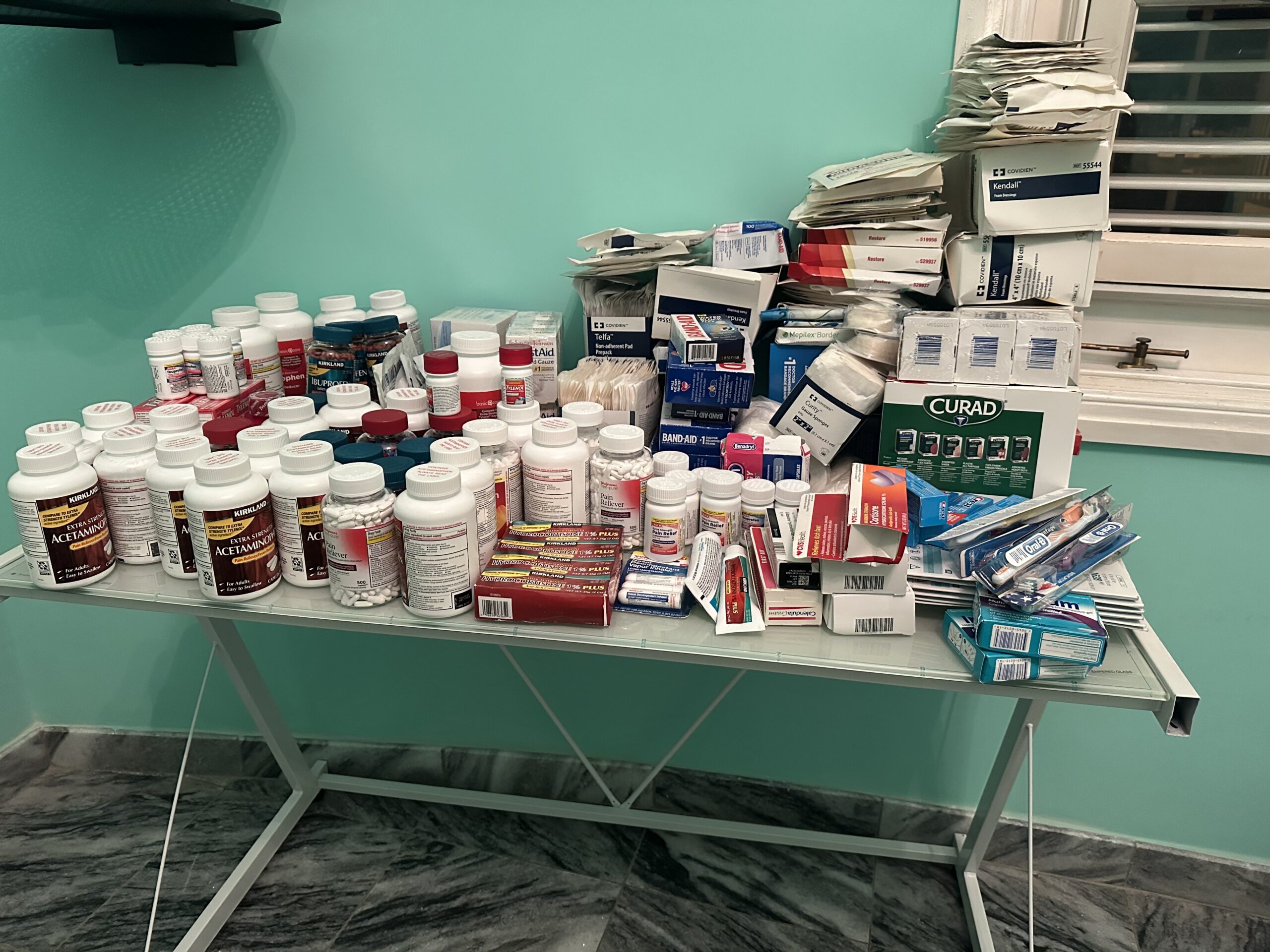
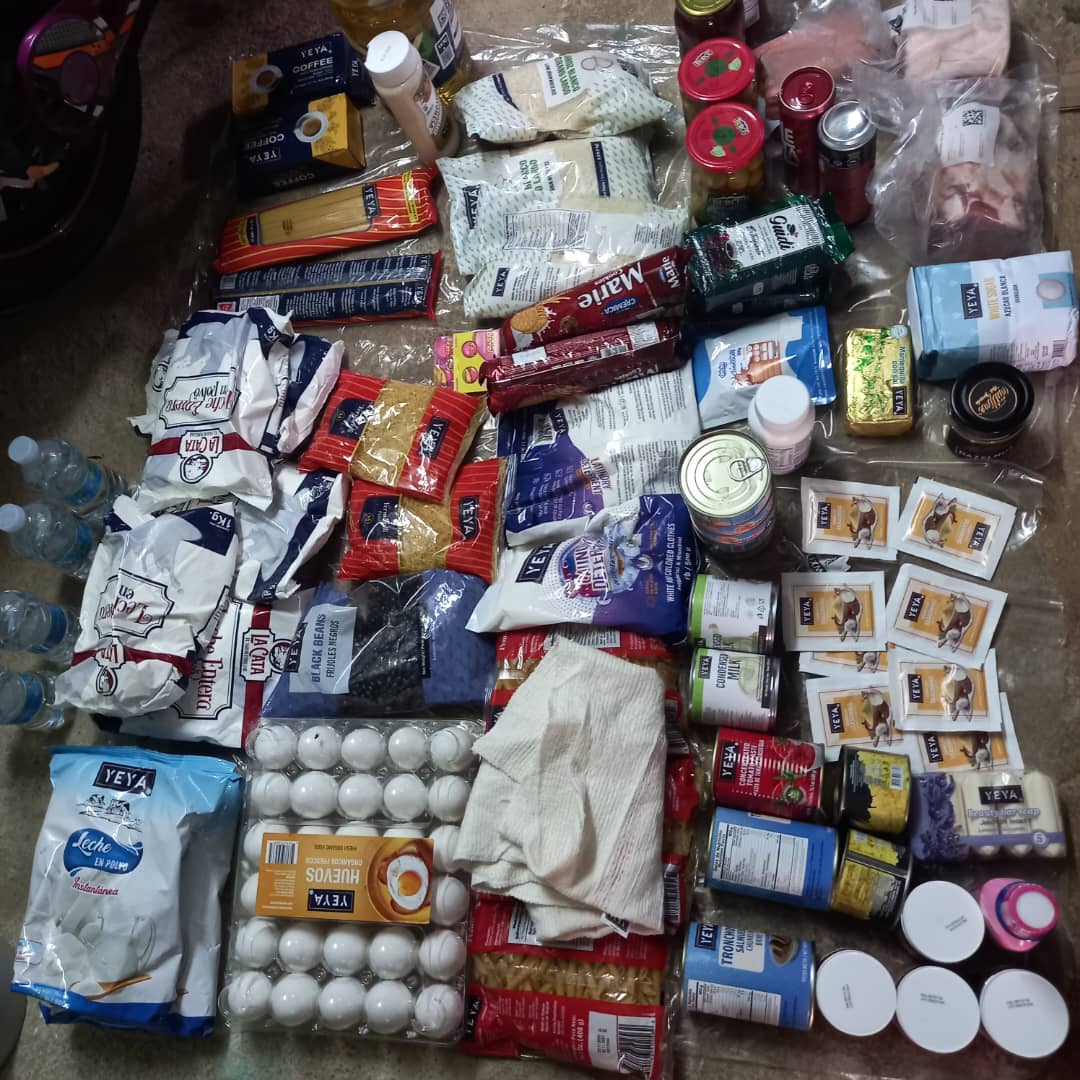
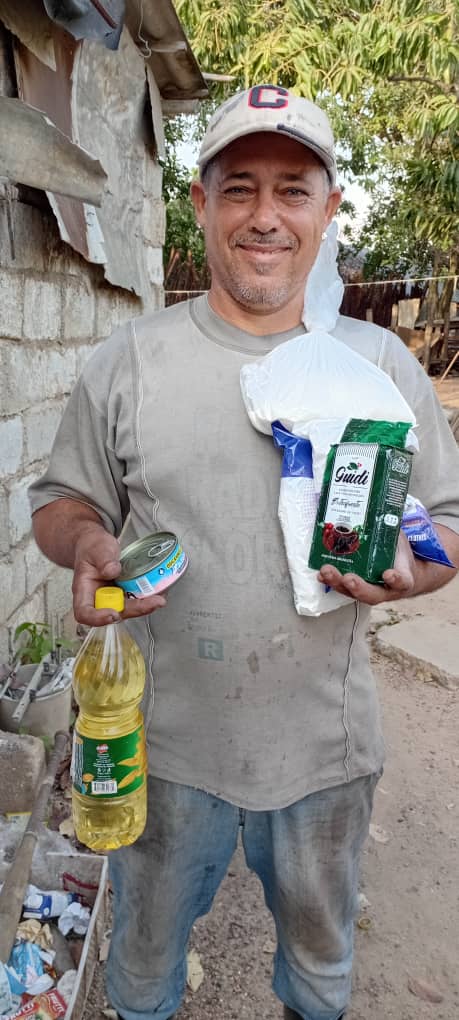
We’ve delivered 908 lbs of humanitarian supplies to 16 families and extended families. Including cooking oil, powdered milk, rice, beans, eggs, protein, over the counter medicines, vitamins – and yes, even nutella for a little girl’s birthday!
- The Impact
What changed
What was delivered, restored, funded, or changed? Be honest about the scale. One family fed is still worth saying out loud.
Help Write the Next Story
Your gift becomes someone's story.
Every delivery we make starts with someone deciding to give. You can help make more moments like this possible.
EIN 42-3442652. Indiana nonprofit. 501(c)(3) pending.
Shared Resolve establishes trusted relationships to turn compassion into direct action—at a grass roots level—providing humanitarian aid, restoring communities and their environment.
Explore More.
-
HomeHome
-
AboutAbout
-
ProgramsPrograms
-
Get InvolvedGet Involved
-
DonateDonate
Copyright © 2026 All Rights Reserved